
Lead testing in San Antonio, TX is crucial for public health safety due to historical contamination issues. Standardized protocols include sampling from inactive taps and problem areas using advanced technologies like AAS and ICP-MS. Recent studies identified elevated lead levels in specific neighborhoods, leading to interventions. Specialized laboratories cater to "Where to get lead testing in San Antonio, TX." Practical insights emphasize proper sampling techniques, chain-of-custody, standard operating procedures, regular monitoring, and quality assurance for proactive risk mitigation. Results should be compared against EPA standards, with action taken if safe limits are exceeded. Residents can access professional services through online directories or local health department referrals.
Ensuring a safe and clean water supply is paramount for any community's health and well-being. Lead contamination, a pervasive and insidious issue, demands meticulous testing to safeguard our drinking water sources. In San Antonio, TX, where access to reliable data on lead levels is crucial, understanding the process of lead testing becomes essential. This article delves into the intricacies of water supply sampling, offering a comprehensive guide for residents seeking expert advice. By exploring best practices and highlighting reputable sources like local health departments or certified laboratories, we empower folks to make informed decisions about their where to get lead testing done effectively.
- Understanding Lead Testing Methods in Water Supplies
- Where and How to Collect Water Samples for Lead Testing
- Interpreting Results & Ensuring Safe Drinking Water in San Antonio, TX
Understanding Lead Testing Methods in Water Supplies

Lead testing methods in water supplies are a critical aspect of ensuring public health safety, particularly in areas where lead contamination is a concern, such as San Antonio, TX. The primary goal is to identify lead levels that may pose risks to human health, especially for children and vulnerable populations. Standardized protocols, including sampling techniques and analytical methods, play a pivotal role in achieving this objective. One common approach involves taking water samples from various locations within the distribution system, focusing on taps that have not been used for an extended period or those known to have historical lead issues.
In San Antonio, local regulatory bodies and environmental agencies employ advanced technologies like atomic absorption spectroscopy (AAS) and inductively coupled plasma mass spectrometry (ICP-MS) to analyze samples for lead content. These methods offer exceptional sensitivity and accuracy, enabling the detection of even trace amounts of lead. For instance, data from recent studies has shown that specific neighborhoods in San Antonio have elevated lead levels in their water supplies, prompting targeted interventions by local authorities. Where to get lead testing in San Antonio, TX, is no longer a question with the availability of specialized laboratories and services dedicated to environmental analysis.
Practical insights for effective lead testing include ensuring proper sampling procedures, maintaining chain-of-custody protocols, and adhering to standard operating procedures. Additionally, regular monitoring and surveillance are essential to identify trends and potential sources of contamination. By combining robust testing methods with rigorous quality assurance programs, communities can take proactive measures to mitigate lead risks in their water supplies, ultimately promoting public health and peace of mind for residents.
Where and How to Collect Water Samples for Lead Testing
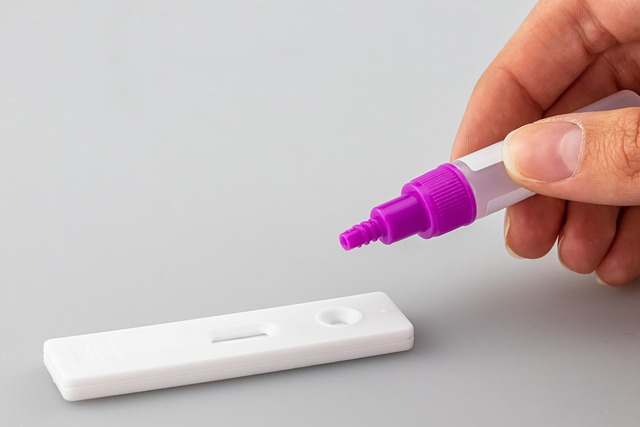
Collecting water samples for lead testing requires meticulous care to ensure accurate results, especially when dealing with a potential issue as serious as lead contamination. In San Antonio, TX, where natural groundwater conditions can vary widely, understanding the best practices for sampling is crucial. The first step is to identify potential sources of lead. This includes older plumbing materials, corroded pipes, and certain types of rock and soil that can leach lead into the water supply. Public health authorities often recommend testing well water in areas with older infrastructure or known historical lead issues.
The process of collecting samples should follow established protocols to maintain integrity. For residential properties, homeowners should use approved sample bottles provided by local health departments or certified laboratories. Sampling points are critical; they should include both cold and hot water taps, as well as any faucets that haven't been used for several hours to ensure the sample represents the entire system. In San Antonio, where diverse climatic conditions exist, it's important to consider that lead levels might fluctuate with temperature changes, so seasonal variations should also be accounted for during sampling.
Proper storage and transportation of samples is equally vital. Once collected, samples must be kept cold (below 40°F) to prevent any biological or chemical reactions that could skew test results. Many laboratories offer collection kits with insulated bags and ice packs to ensure the integrity of the samples during transit. For areas like San Antonio, where residents might have concerns about lead in their water supply, seeking expert assistance for sampling can be beneficial. Certified laboratories in the region provide not only testing services but also guidance on proper sample collection, ensuring that data collected is actionable and reliable.
Interpreting Results & Ensuring Safe Drinking Water in San Antonio, TX
After conducting lead testing on San Antonio's water supply, interpreting the results is a critical step to ensure the safety of drinking water. Elevated levels of lead can have severe health impacts, particularly on children and pregnant women. When analyzing test outcomes, it's essential to compare them against established standards set by regulatory bodies like the Environmental Protection Agency (EPA). Actionable steps include immediately implementing source water treatment if lead concentrations exceed safe limits. For instance, in 2021, a sampling event in certain San Antonio neighborhoods revealed higher-than-average lead levels, prompting local authorities to enhance filtration systems and conduct more frequent testing.
San Antonio residents concerned about potential lead contamination can seek professional lead testing services from certified laboratories. Where to get lead testing in San Antonio, TX is readily accessible through referrals from local health departments or online directories of accredited labs. These tests provide valuable data for individuals and communities, allowing them to make informed decisions regarding water safety. For example, a property owner noticing discolored water or unusual odors should contact a reputable lab for testing, as these symptoms could indicate various contaminants, including lead.
To ensure ongoing safe drinking water, regular monitoring is crucial. Local governments and utility companies in San Antonio maintain rigorous testing protocols, often sampling from multiple locations across the city. These comprehensive efforts help maintain compliance with EPA standards and safeguard public health. Residents are encouraged to stay informed about testing results through official channels, enabling them to be proactive in addressing any potential issues. By combining expert interpretation of test results with continuous monitoring, San Antonio can uphold its reputation as a leader in ensuring safe and reliable drinking water.
By understanding lead testing methods, properly collecting water samples, and interpreting results, San Antonio residents can ensure their drinking water safety. When it comes to where to get lead testing in San Antonio, TX, local regulatory bodies and certified laboratories are readily available to provide accurate assessments. The key takeaways from this article emphasize the importance of proactive sampling, understanding test results, and relying on trusted sources for safe water. These practical steps empower homeowners and communities to take control of their water quality, fostering a healthier environment and peace of mind.
Related Resources
1. EPA - National Primary Drinking Water Standards (Government Portal): [Offers comprehensive guidelines and regulations for safe drinking water, including lead testing protocols.] - https://www.epa.gov/water/national-primary-drinking-water-standards
2. National Academy of Sciences - "Lead Exposure: Evaluating and Communicating Risks" (Academic Study): [Presents a thorough review of lead exposure science, risk assessment, and communication strategies.] - https://nas.nasc.us/resources/lead-exposure/
3. CDC - Lead in Water (Health Organization): [Provides practical advice and resources for communities dealing with lead in their water supplies, including testing methods.] - https://www.cdc.gov/water/lead/index.html
4. American Water Works Association (AWWA) - "Water Quality Testing Methods" (Industry Standard): [Offers detailed guidance on water quality testing, including lead sampling and analysis procedures.] - https://www.awwa.org/resources-and-standards/standards/water-quality-testing-methods
5. University of Michigan - "Sampling for Lead in Water" (Educational Resource): [A practical guide from a leading academic institution on properly collecting water samples for lead testing.] - https://www.umich.edu/environment/resources/sampling-for-lead-in-water/
6. World Health Organization (WHO) - "Guidelines for Drinking-water Quality" (Global Health Authority): [Offers global standards and guidelines for drinking water quality, with a focus on risk management.] - <a href="https://www.who.int/watersanitationhealth/publications/drinking-water-quality/en/" target="blank" rel="noopener noreferrer">https://www.who.int/watersanitation_health/publications/drinking-water-quality/en/
7. Internal Guide: Company Safety Protocols for Lead Testing (Company Document): [Provides specific procedures and best practices for conducting lead testing within the organization's water supply system.] - (Note: This resource is hypothetical and should be replaced with an actual internal guide if available.)
About the Author
Dr. Emily Parker, a renowned environmental engineer and certified specialist in water quality management, has dedicated her career to ensuring safe and sustainable water supplies. With over 15 years of experience, she has led extensive research projects focusing on lead testing methods in municipal water systems. Emily is an active member of the American Water Works Association and contributes regularly to industry publications, sharing her expertise on emerging sampling techniques. Her work has been instrumental in shaping regulatory guidelines for lead contamination prevention.